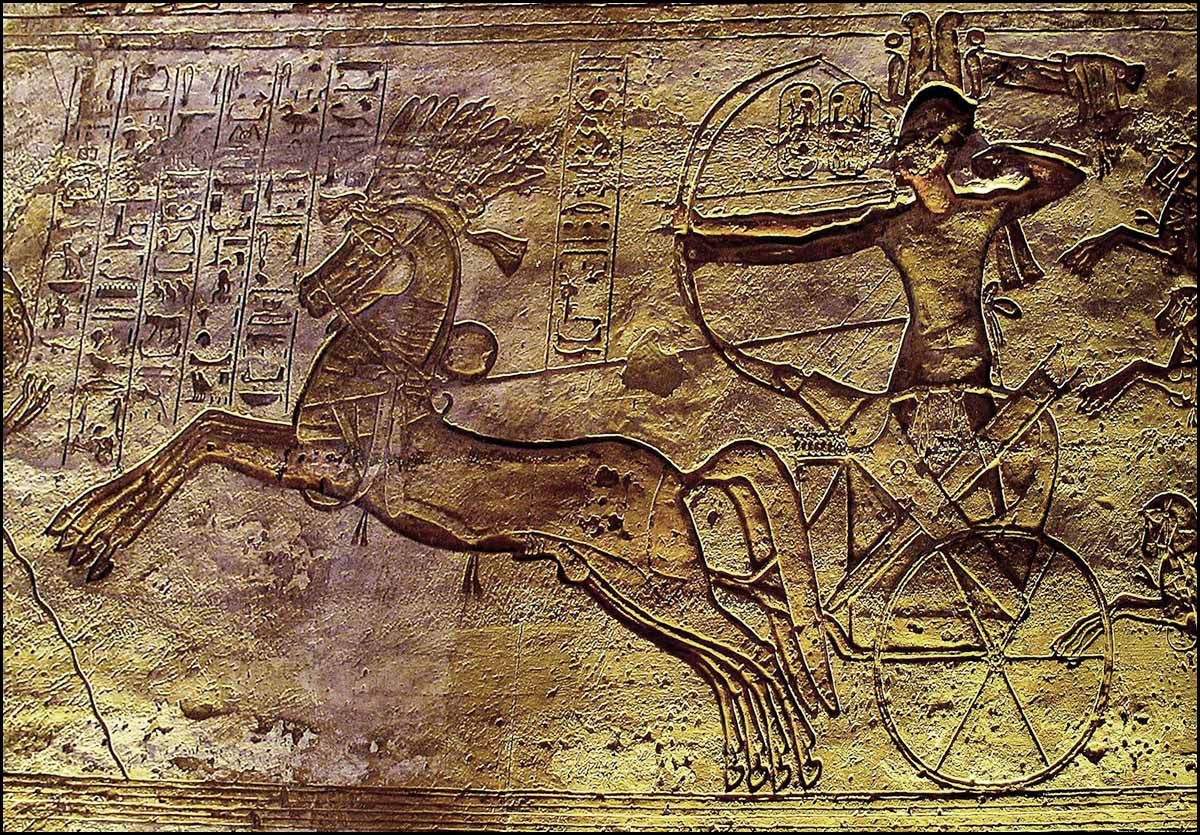
Figure 1
War art has existed as long as war itself. In the ancient world, official war art was commissioned by pharaohs and kings to record, commemorate and immortalise victories in battle, in the form of paintings, carvings, statues and relief sculptures (Figure 1). Official art was made from materials intended to last, and by and large it has, although in many cases the image has been ravaged by the forces of time (Figure 2).
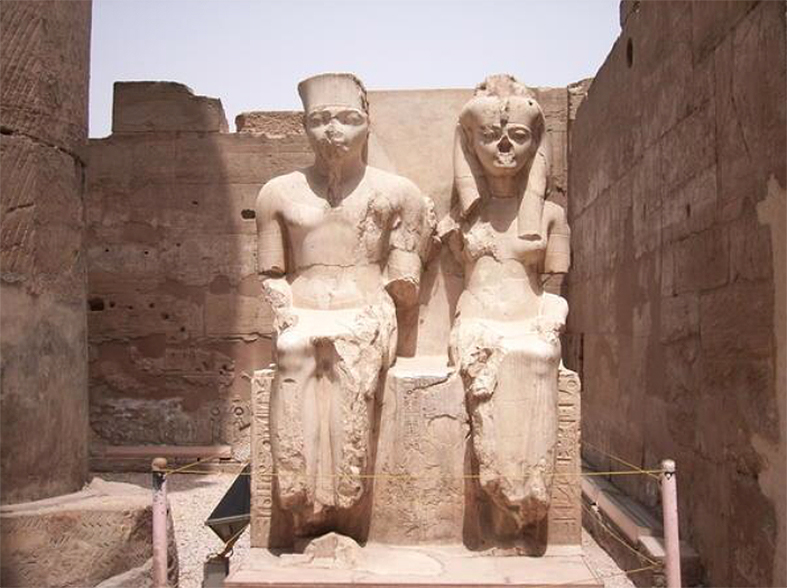
Figure 2
It is impossible to know whether soldiers in ancient times made their own art to record their impressions of the wars they fought in: if they did, it no longer exists.
Official war art commonly represents fighting itself as a gung-ho, adventurous activity which “brings out the best in men”.
In more recent times official war artists have been appointed by governments to immortalise major battles and record important military personalities such as officers and war heroes. Not surprisingly, the emphasis of official war art is on battles in which the side commissioning the art-work is victorious. One notable exception to this rule is the Charge of the Light Brigade, a British military disaster, which has been depicted in countless paintings as a noble charge against overwhelming opposing forces (Figure 3).
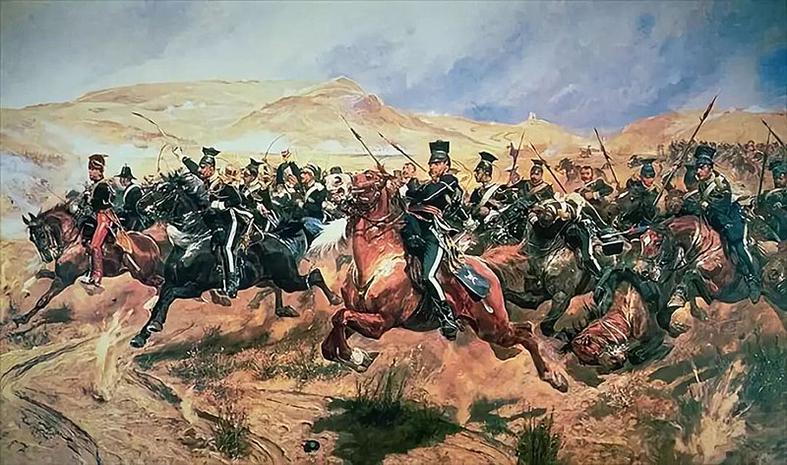
Figure 3
Alongside the official war art, servicemen (and prisoners of war) in World War 1 began to make their own art: to record their daily experiences while on active service, as a form of relaxation, to make some extra money to supplement their military pay, or simply to fill in idle hours. This unofficial form of art is known as “soldier art” or “trench art”.
Historically, soldiers and public alike have tended to accept the inevitability of war and accepted its horrors and the consequences it produces. In modern times, particularly since the carnage of World War 1, civilian artists like Marcus Eriksen have used the visual media to protest the conduct and devastation of war and its effects not only on participants but also on innocent civilians (Figure 4).
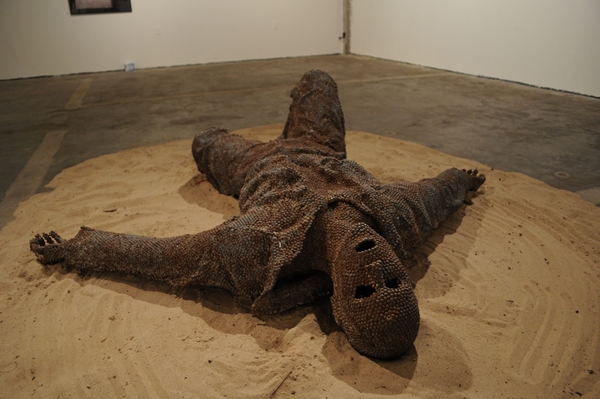
Figure 4
https://www.marcuseriksen.com/iraqi-angel