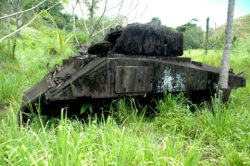
Figure 1
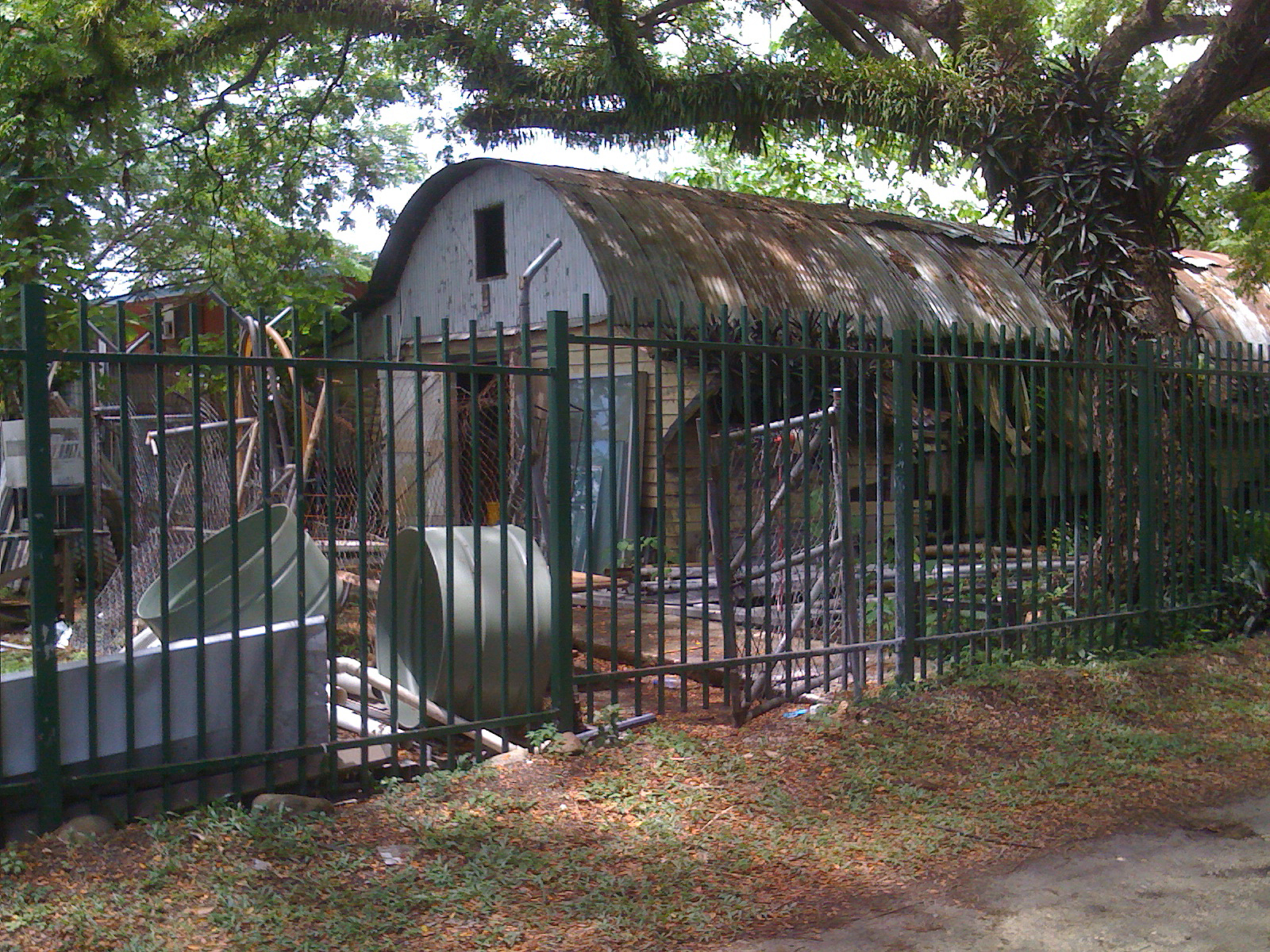
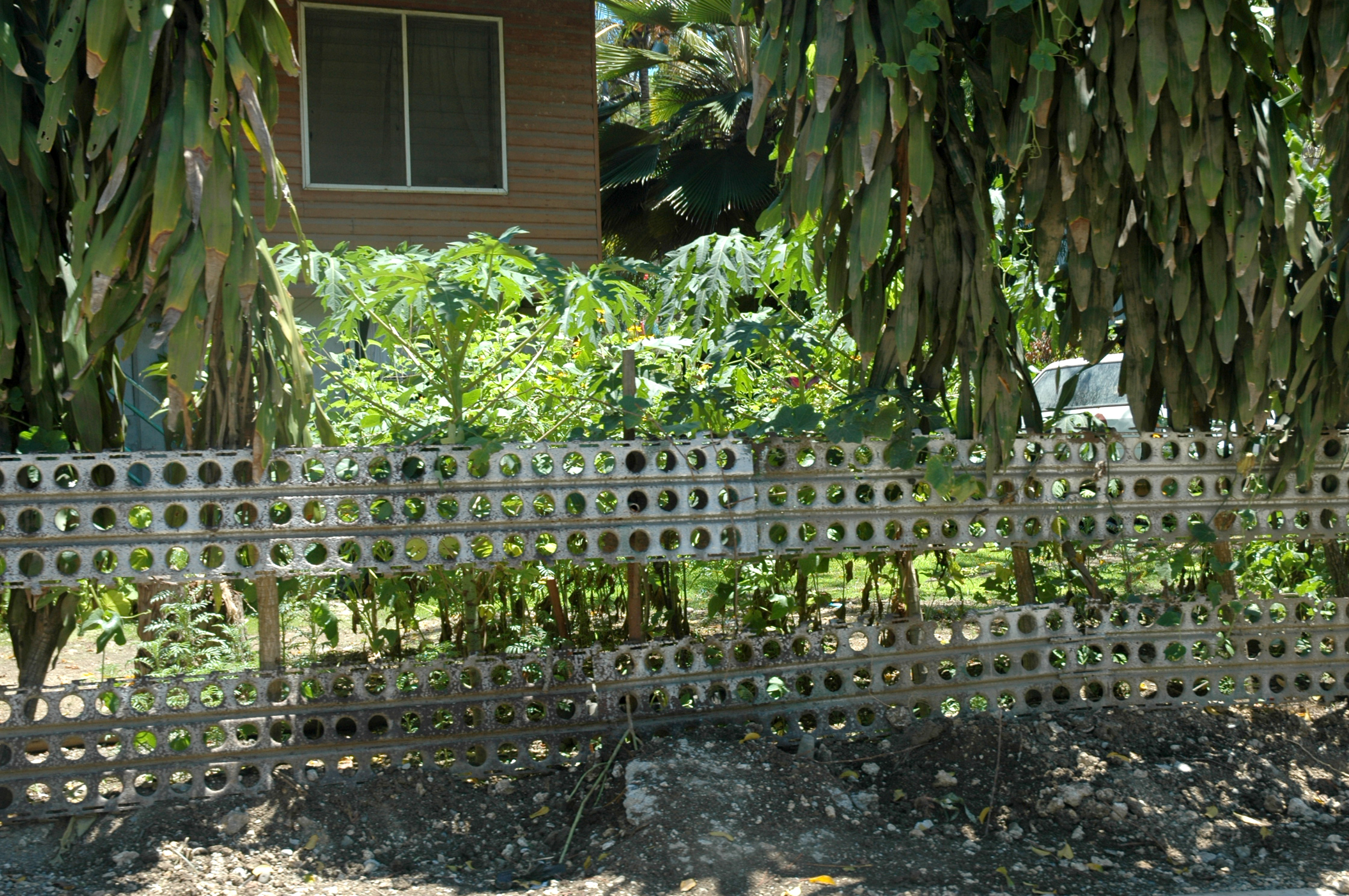
There is evidence of the war everywhere around Honiara and in the surrounding landscape, from the rusting ship remains scattered along Kukum Beach, where the invasion of Mono and Stirling Islands departed from at the end of 1942 (Figure 1), to the piles of military wreckage that has been bulldozed into great heaps and left for the jungle to reclaim over time (Figure 2), to the Nissen huts, many still in use for storage and workshops (Figure 3), to the ramshackle tables displaying recovered war relics for sale on beaches and other locations. Resourceful Solomon Islanders use reclaimed Marsden Matting for pathways, decks and fences (Figure 4).
-
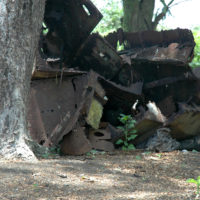
- Figure 2
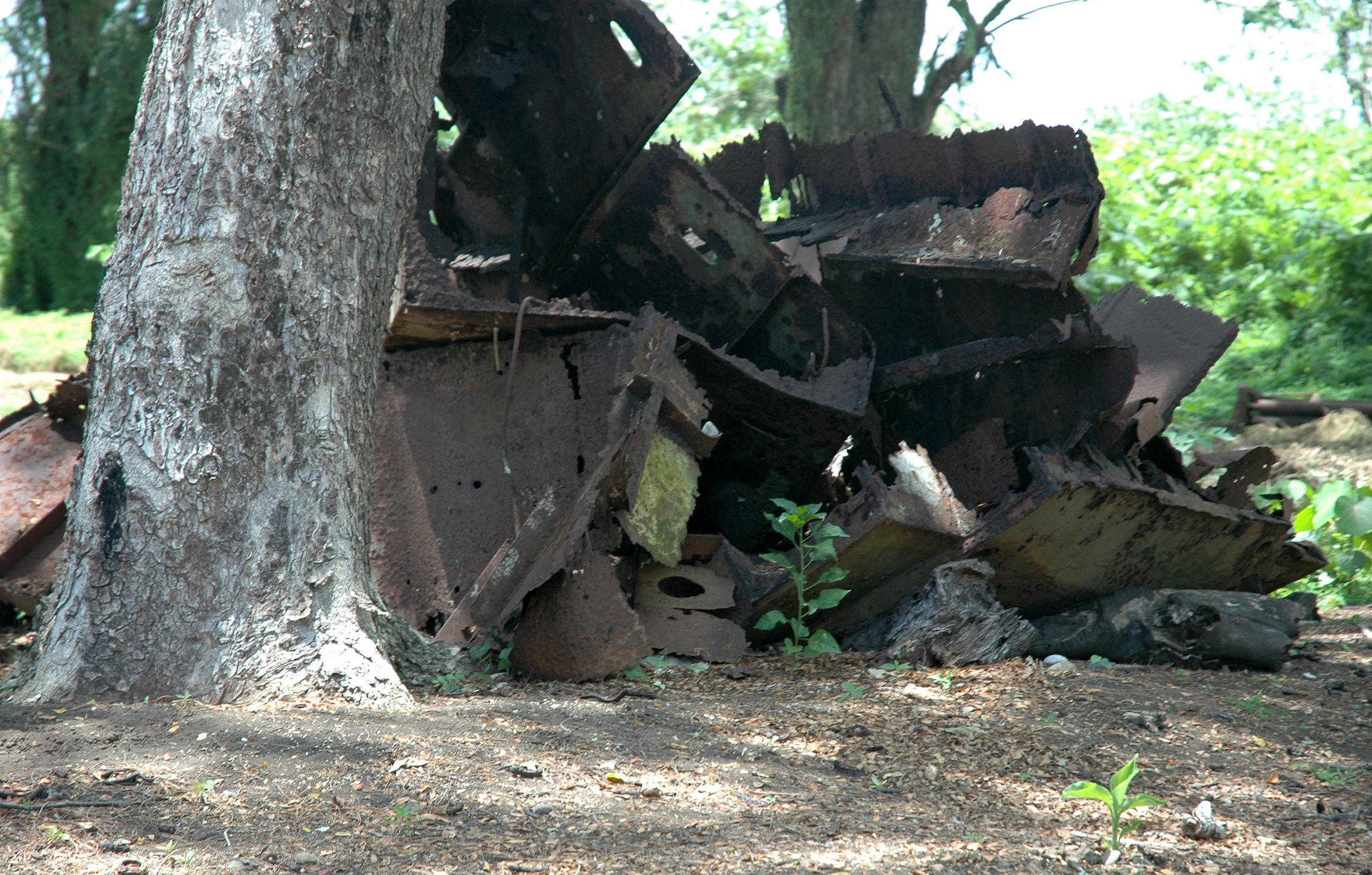
-
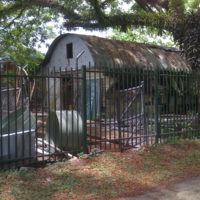
- Figure 3
-
- Figure 4
The wrecks of two Japanese tanks that were caught by the tide and the Americans can still be seen at low tide off the mouth of the Mitanikau River (Figure 5).
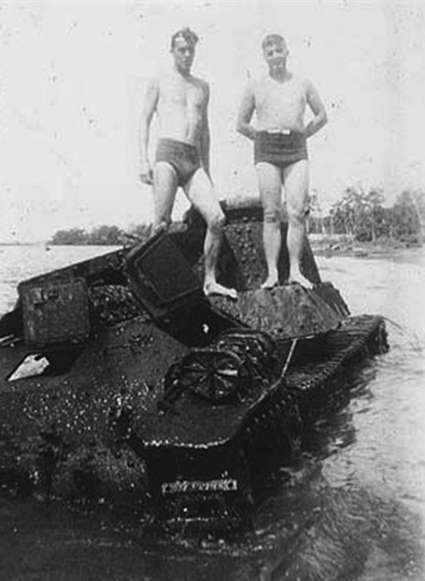
Figure 5
As we drove around the northern end of the airport on the way to visit the Ilu River, Stanley pointed out an area between the end of the runway and the sea which is permanently off-limits because piles of live ammunition were dumped there when the Americans evacuated at the end of the war.
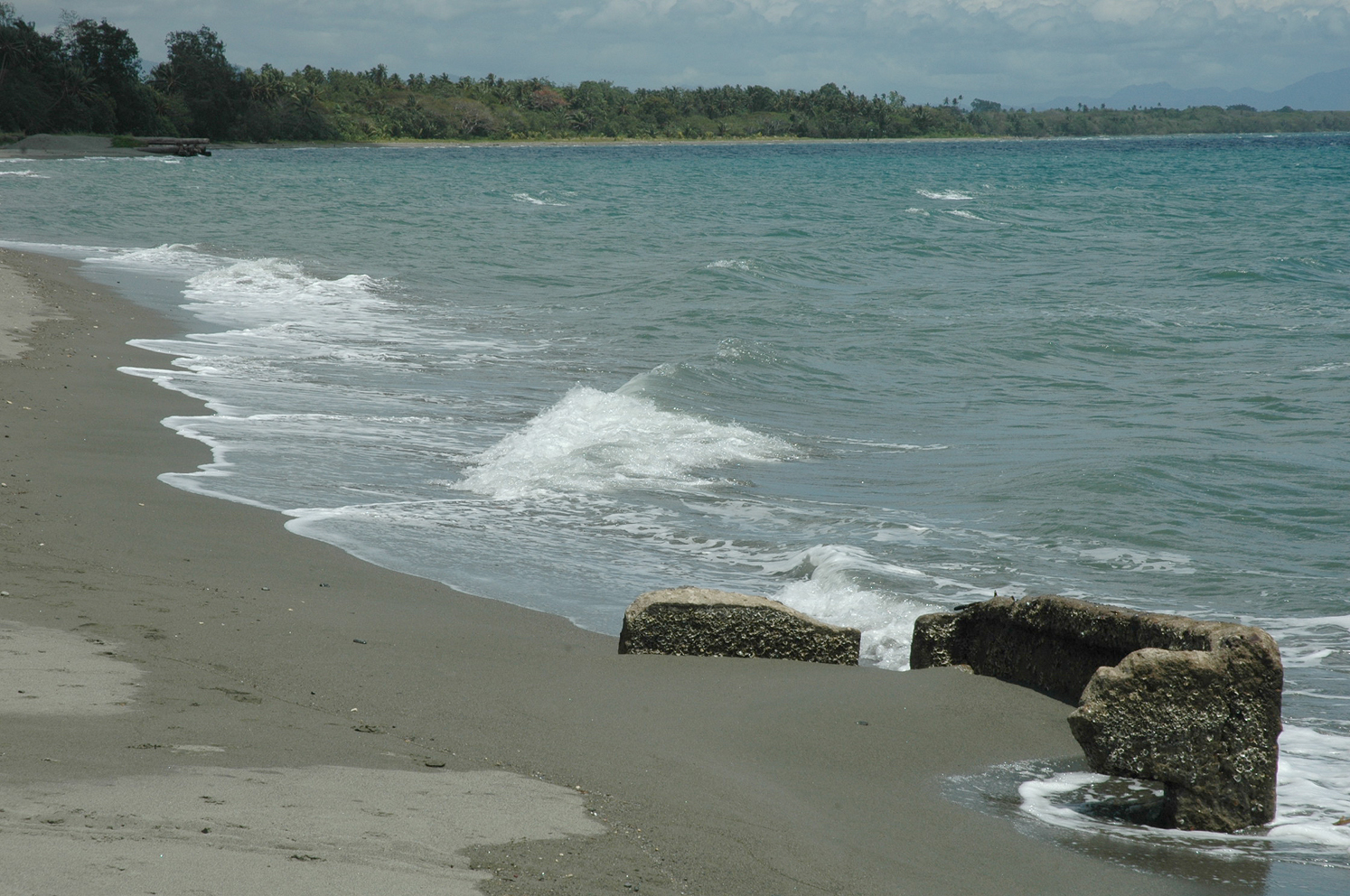
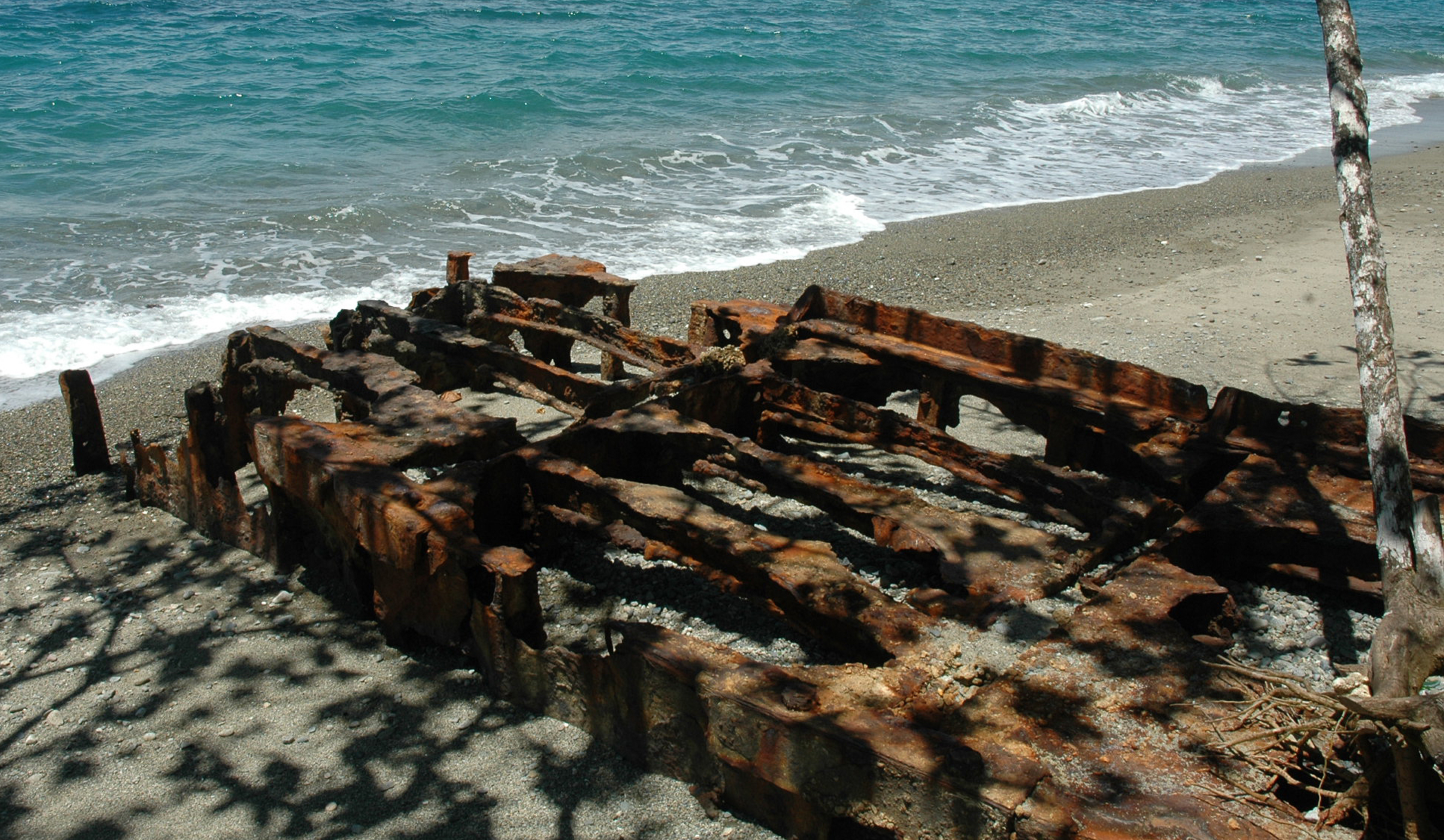
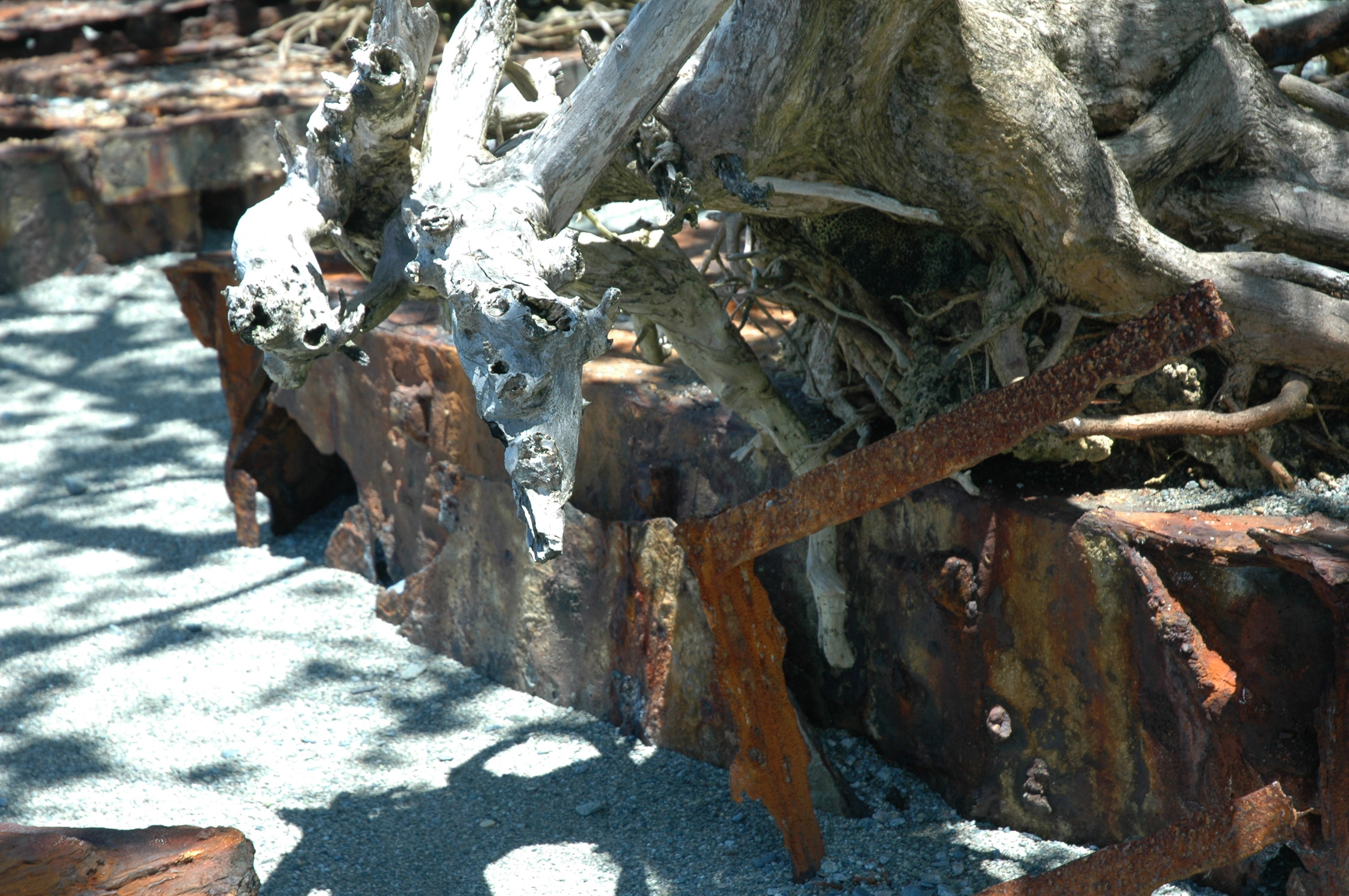
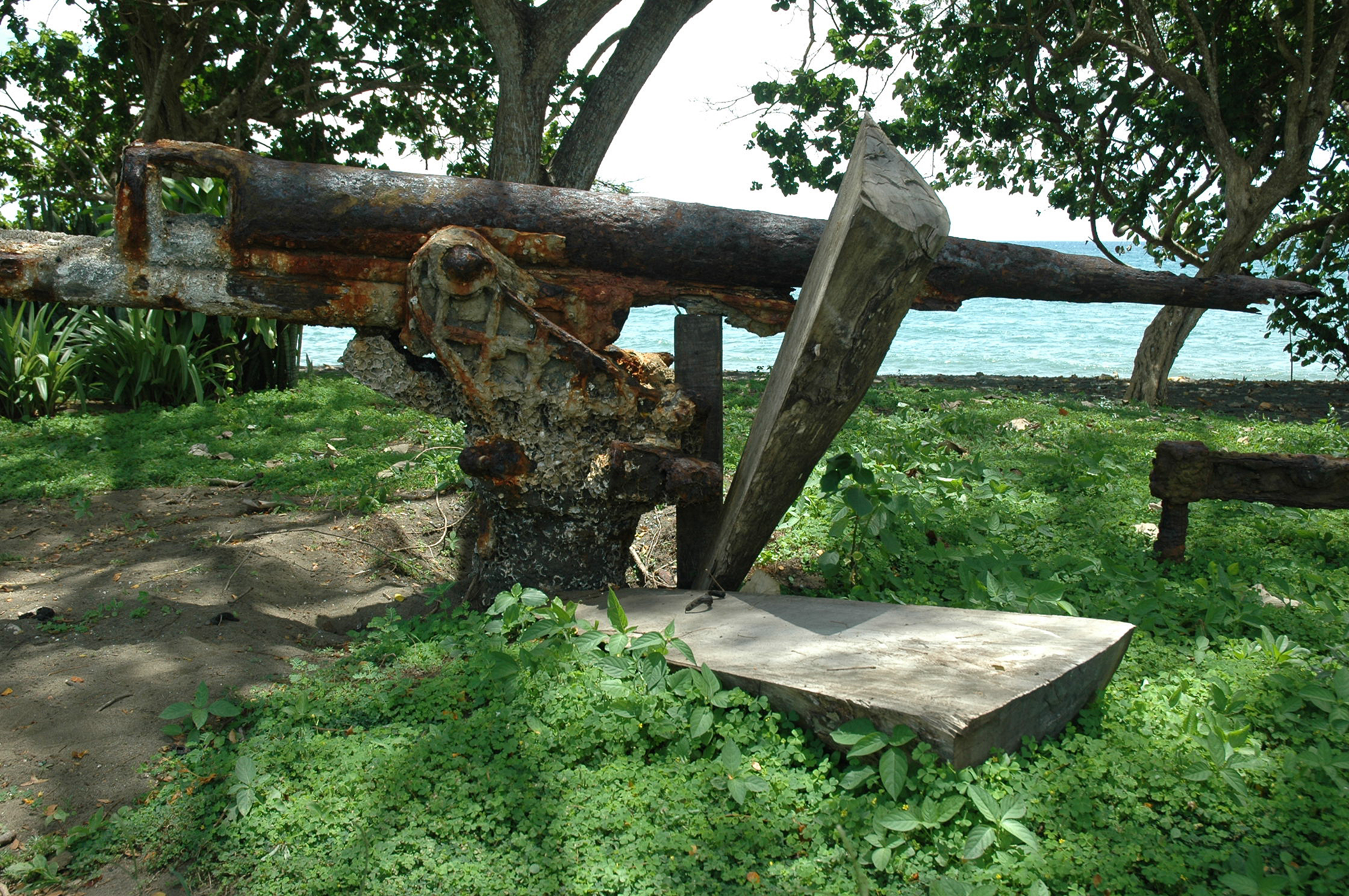
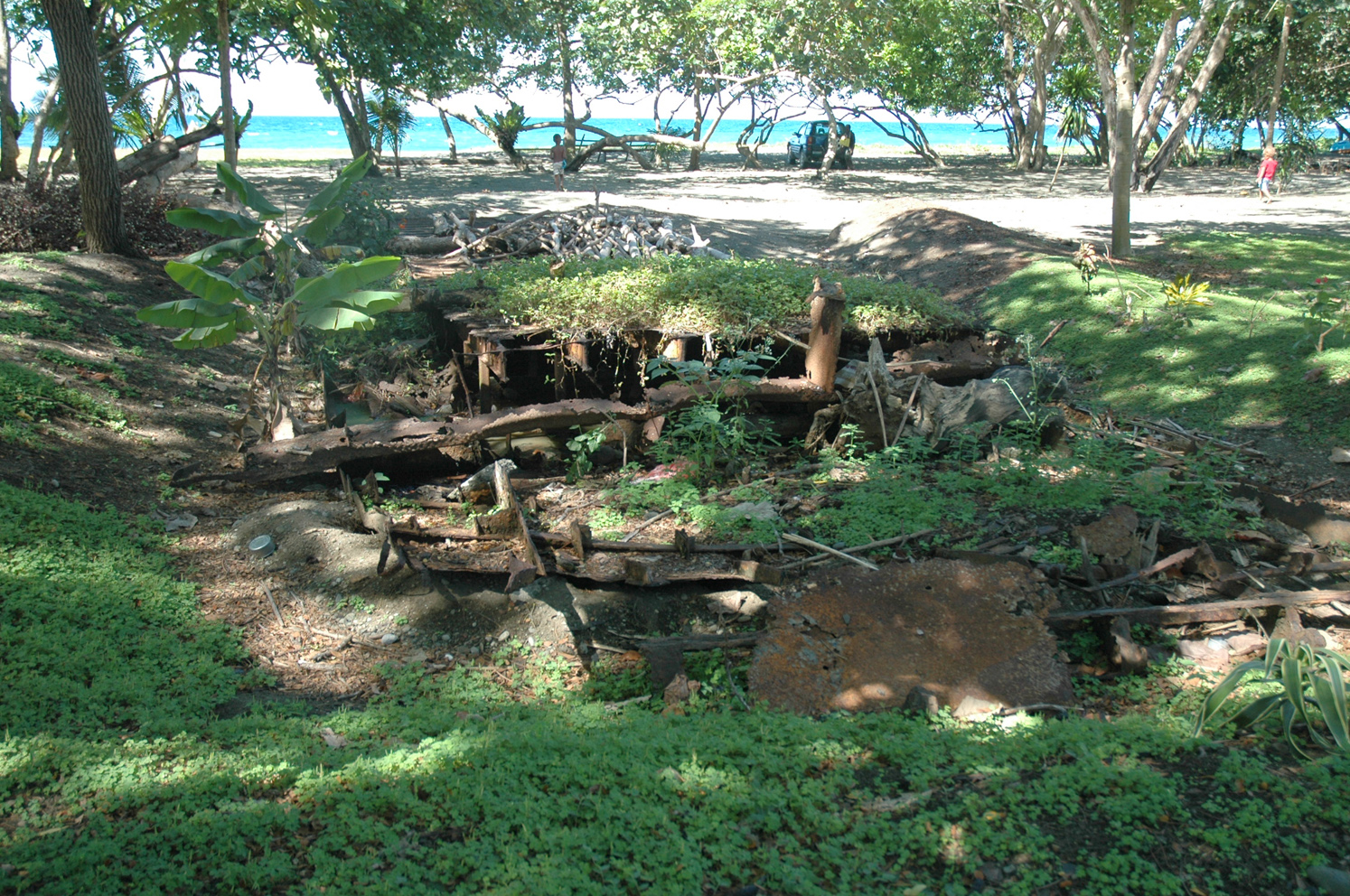
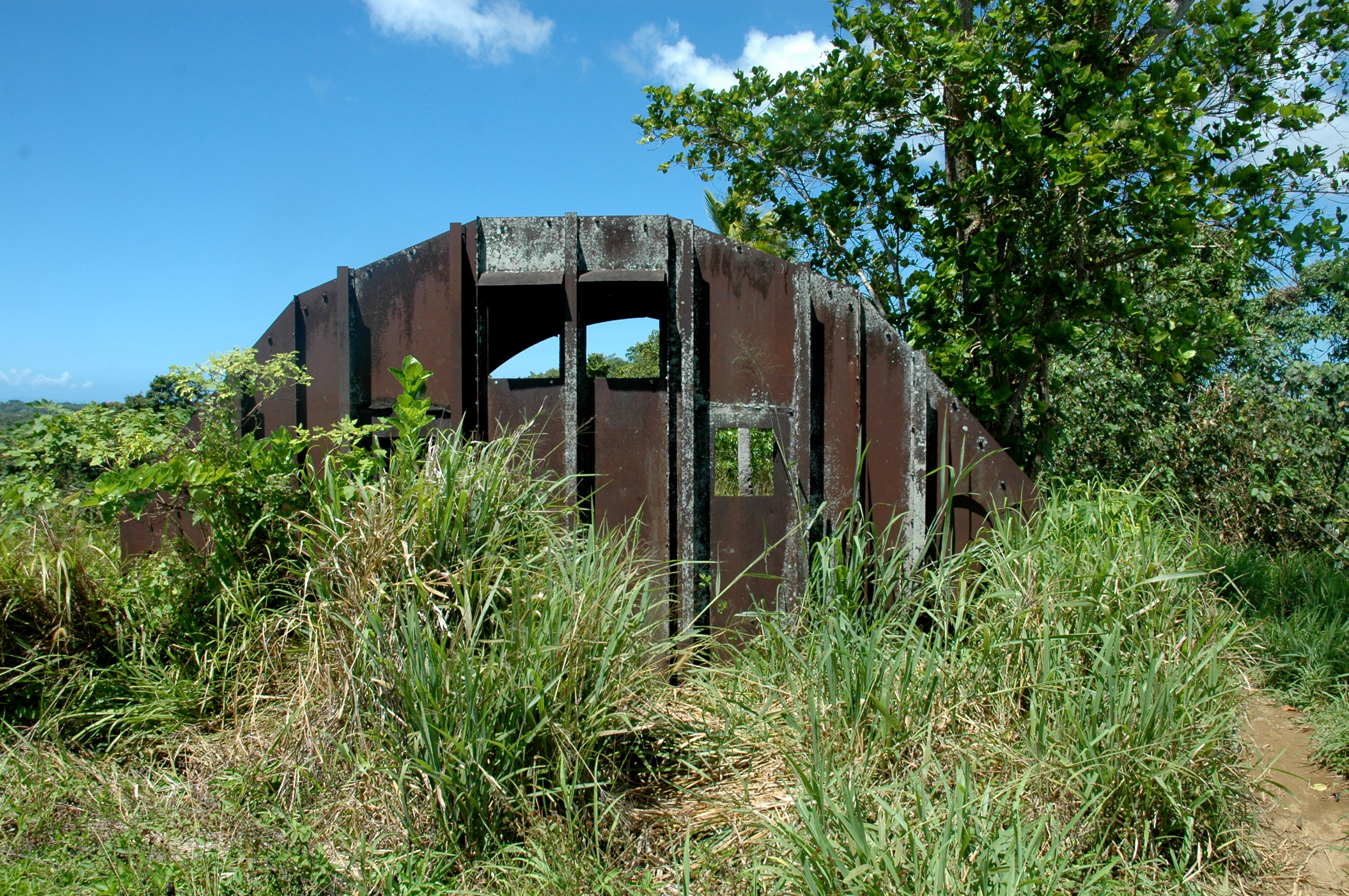
Chunks of broken concrete, the remnants of supply wharves and other structures, poke out of the sand on many beaches, as in the photograph of Red Beach (Lunga Beach) in Figure 6. Rusting military junk litters the foreshore (Figures 7 and 8). Anti-aircraft guns stand on their decaying plinths, aimed impotently at non existent aircraft or out to sea (Figure 9). Children use them as jungle-gyms. The remains of a loading barge lay half buried near Lunga Beach (Figure 10). There are many left-over Quonset and Nissen huts, some still in use as storage facilities and workshops, many rusting and derelict, as in this example (Figure 11).
-
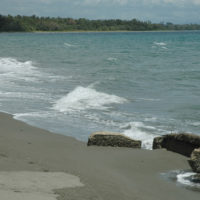
- Figure 6
-
- Figure 7
-
- Figure 8
-
- Figure 9
-
- Figure 10
-
- Figure 11
Meanwhile, out in “Ironbottom Sound”, the slowly rusting wrecks of many Japanese and Allied ships will inevitably result in an ecological disaster when their fuel bunkers, containing millions of litres of fuel oil, eventually break up and cover the pristine beaches of the Solomons. At least 111 ships, including aircraft carriers, battleships, destroyers and freighters, lie off the north coast near Honiara. The Japanese transport Hirokawa Maru, which was sunk 20 meters off Bonegi beach at the same time as the Kinugawa Maru was beached and attacked, is already leaking oil. Locals complain of the smell of oil when storms hit the coast. During these times, the fish disappear. The local people, who depend on fishing for food and in many cases their livelihood, are prevented from catching fish.
The Solomon Islands government has requested Japan and the United States to do something about this threat, which is already affecting local marine life including coral beds. To date, their requests have fallen on deaf ears. The Solomons tourism minister described the combatants’ negligence as a “moral crime”.
Moses Biliki, the environmental director in the Natural Resources Ministry, said: “People are not happy about this. It was someone else’s war that just came to our country and we have all this rubbish that has just been forgotten.” One cannot help wondering to what extent this situation has contributed to the overall careless attitude toward preserving the environment that has apparently embedded itself in the local psyche: throw rubbish into the street, into the jungle, rather than dispose of it effectively. Who cares about the environment when others have despoiled it so badly, and taken no responsibility for it?
Surely responsibility for cleaning up the mess that was left as the Japanese and Allies withdrew from the Solomons lies with those foreign powers that visited the war on these remote, peaceful and financially disadvantaged islands. Surely these wealthy countries bear a moral duty to return them to their original pristine (and safe) condition.
https://www.newscientist.com/article/mg20727761-600-why-wartime-wrecks-are-slicking-time-bombs/
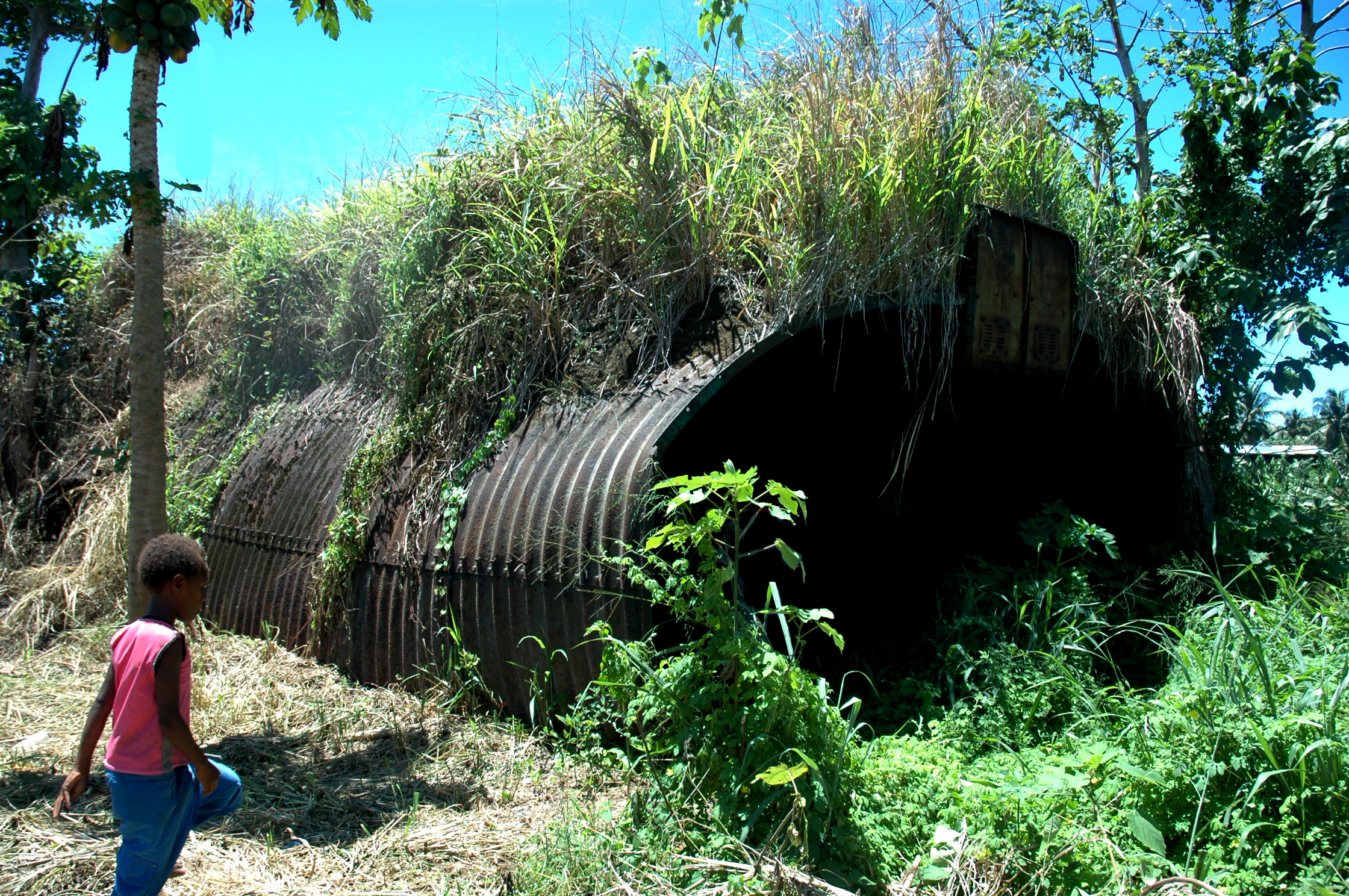
Figure 12